

Just outside of Philadelphia, in South Jersey, is where it all starts. Not in a studio, not in a club but in a house filled with sound.
“I love having grown up in this area - it was the perfect place to be from. There were always so many activities to do”
There was always something going on, sports, school, hobbies, anything to stay active but music was always quietly in the background waiting.
That constant exposure came from inside the house. His dad had a deep relationship with music, collecting records and CDs, always bringing in new technology. His brother leaned heavily into classic rock, playing bass and going to concerts.
“My brother was a big classic rock guy, so there was always influence from him going to Bon Jovi concerts… my dad always loved to play around with the latest tech - with synthesizers, drum machines, a piano, you name it.”
Music was always around, but at first, it wasn’t everything.
From South Jersey to Sound Systems
From Listener to Creator
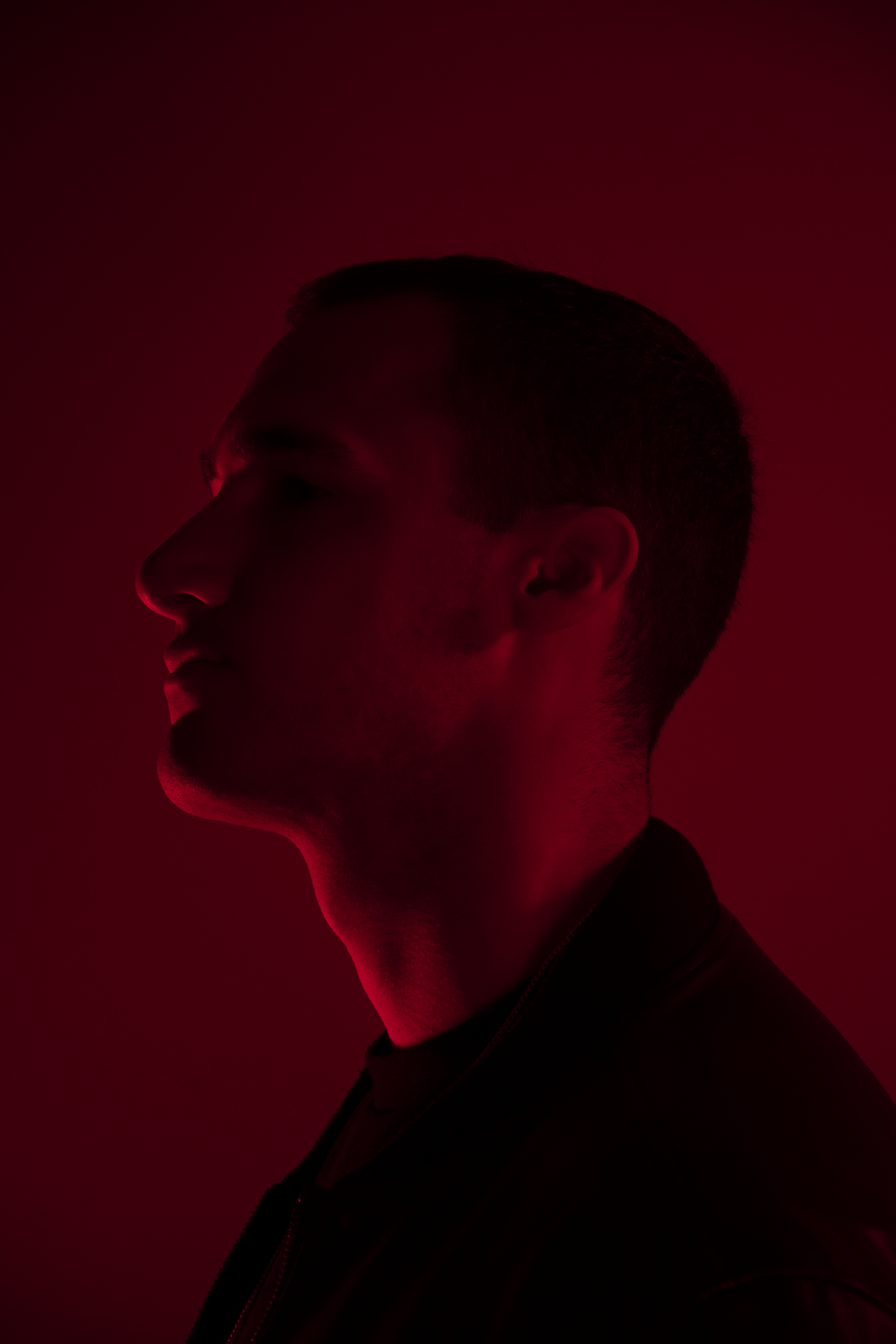
Early on, music was something he was surrounded by, not something he was chasing.
His dad had a deep love for it, constantly building a collection that filled the house with sound.
“He collected the Now That’s What I Call Music CDs that were made three times a year so his collection of music was intense.”
He experimented with it in different ways early on, from playing clarinet in school to picking up guitar at the School of Rock, but none of it ever felt like the end goal.
A shift came from a moment most people would overlook. Around 13 years old, a simple conversation introduced him to the idea of music production, something that completely changed how he saw music.
“For sure I went to daycamp with Slushii before he went big as Slushii. I remember asking him about music production it had to be around 7th or 8th grade so around 13 years old.”
Up until that point, music had only ever been something he listened to. That moment flipped the perspective entirely.
“Before that time music was just something I listened to. After that point of seeing production for the first time downloading and checking out FL Studio I started to look at music as something you create.”
From there, curiosity took over.
“When I find something interesting I tend to latch on and try to understand it so this was the start of me getting into the world of electronic music.”
The Sound That Pulled Him In
There’s always a moment where everything clicks.
For him, it came through a completely different sound than what he grew up around.
“The first time I listened to Basshunter’s Now You’re Gone The Album.”
And just like that, everything shifted.
“For a long time I listened to classic rock because that was just what the rest of my family liked. I never really bothered to go and find my own thing to like.”
Then came that realization.
“The first time I listened to that kind of music I was like ohhhh yeahhh now we’re talking.”
It wasn’t just the sound, it was the energy, the feeling, the fact that it was different.
“The constant kick beat pulls you in but Basshunter’s singing and all that was really cool to hear.”
From there it expanded into Monstercat, Electrostep Network, S3RL, a whole world of sounds that didn’t follow one path.
“It was just so different so much variety so much energy weird stuff, you name it.”
That unpredictability became a core part of how he understood music moving forward.
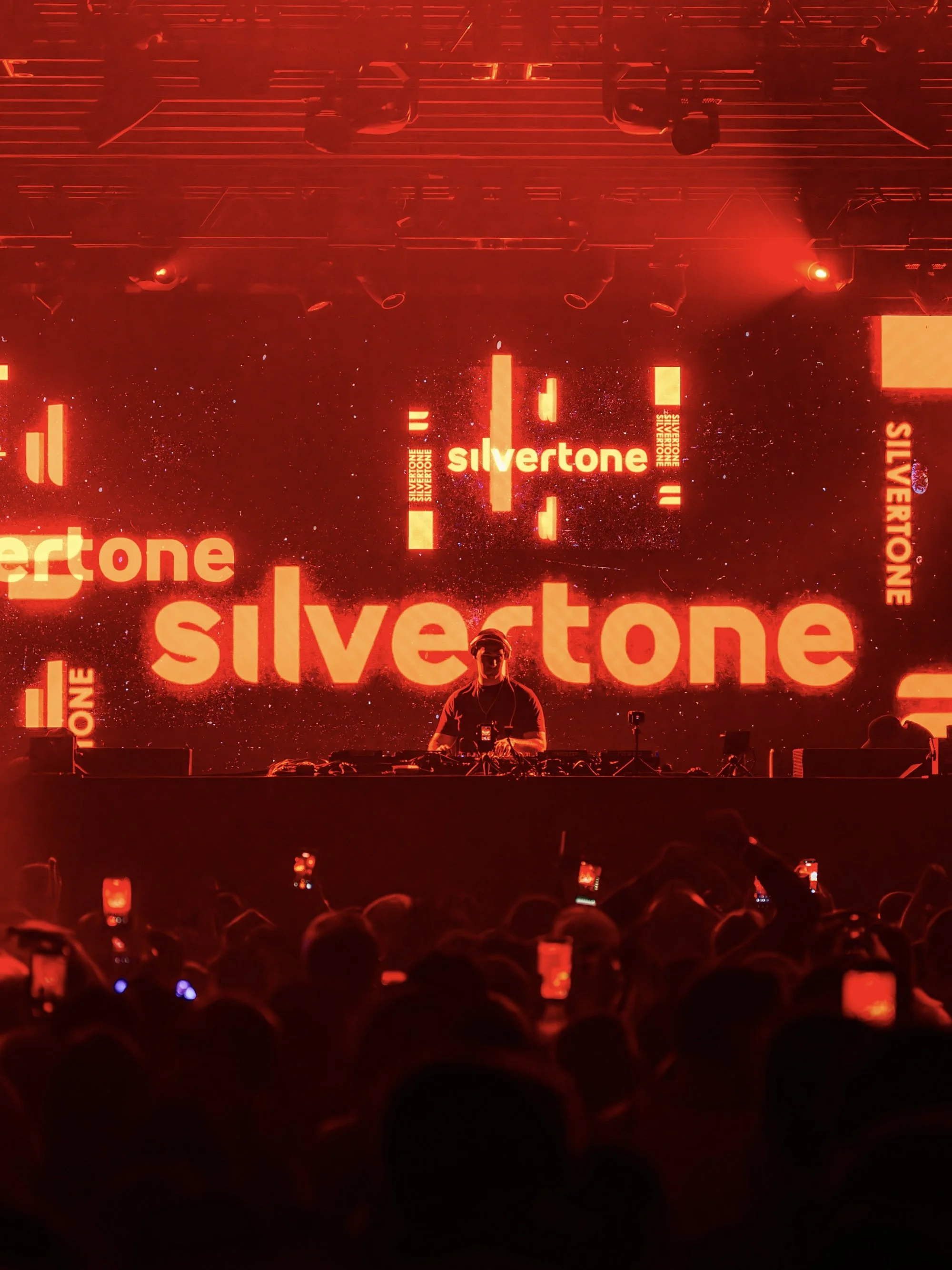
The early days of actually making music weren’t glamorous.
They were messy, experimental, and honestly all about getting started more than being perfect.
“First it started out with getting a cracked version of FL Studio. I downloaded countless project files of various genres to just dissect them and understand what did what in the software.”
Hours turned into days, days into years of learning.
“I watched endless YouTube videos like how to sound like Skrillex 2012 tutorial.”
There was no pressure to release, no pressure to be good yet.
“I never finished any songs or anything just learned FL Studio and how it works and what it does.”
Even in high school, when he started an EDM club with a close friend, it was just the two of them showing up.
“In highschool I also started an Electronic Dance Music Producers Club with my best friend who I now DJ with make music with Apollo GR and we were the only two people to show up.”
That didn’t matter. The foundation was being built anyway. Getting started is always for first major step to making it long term and that was all being understood.
Learning Without Pressure
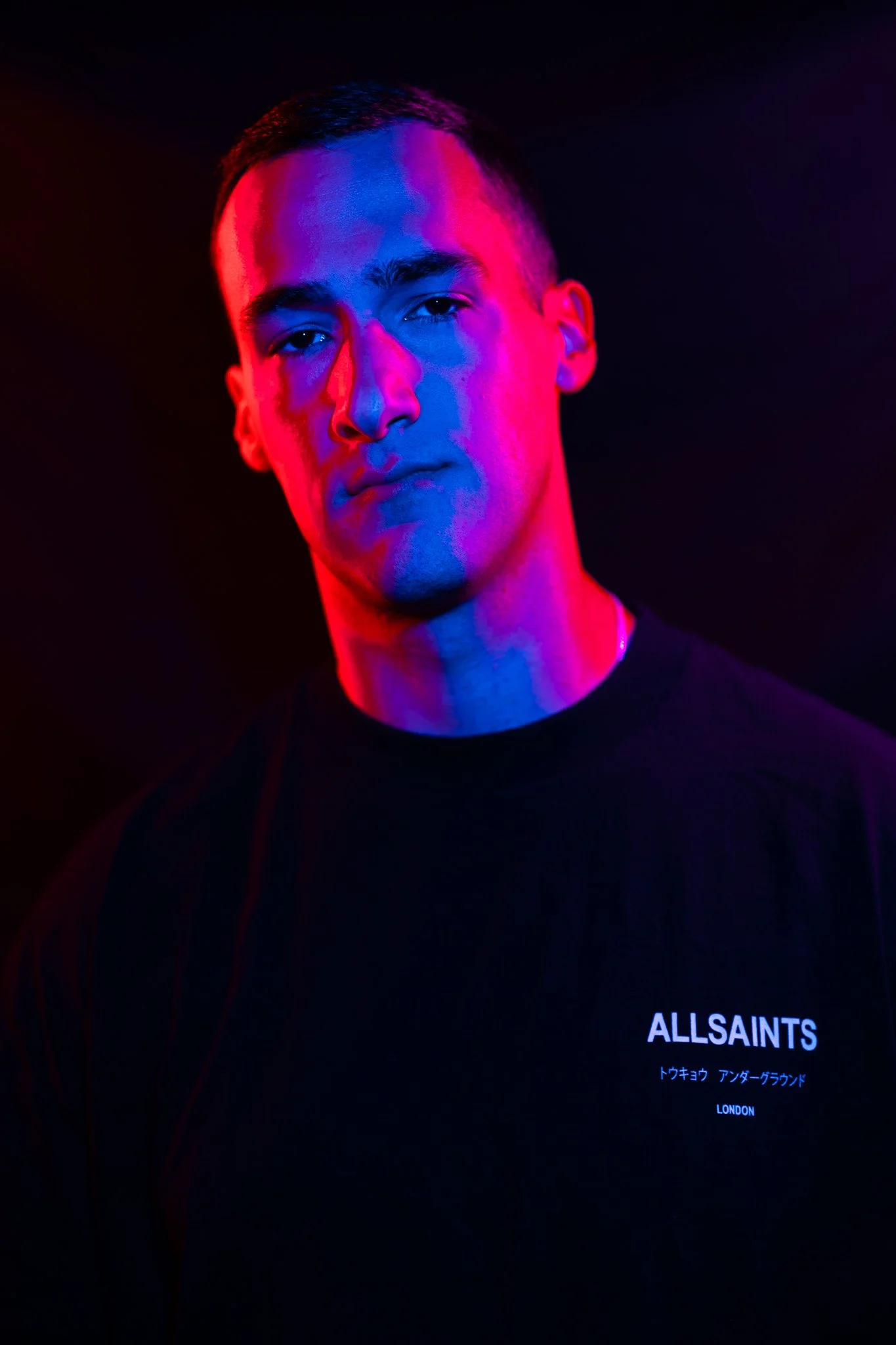
The Moment Everything Became Real
For a while, music stayed in that learning phase.
Then came the moment that flipped everything.
“I went on a trip with DJ friends of mine in the Spring of 2022.”
Being in LA and surrounded by the culture and all the music and events circling something in him just clicked.
“Being in LA and hearing dance music and being in the clubs made me think man I wanna do this so bad.”
That was the turning point.
“After I came back from that trip I made a decision I would get back into production and go all in on learning growing and becoming more than just a DJ.”
From that point on, it wasn’t casual anymore. It was intentional.
A big part of that growth comes from the people around him.
“I work well when I can bounce ideas off of other people and solicit honest feedback.”
Communities like Kick and Bass, Discord groups, and close friends all play a role in shaping the sound.
“Kick and Bass is a professional established music making community with tutorials sessions events etc and it’s got a lot of hard working producers from novice to professional.”
Being surrounded by people who care about the craft pushes everything forward.
“It’s nice to be surrounded virtually by people who also love making music and who care about the artistry.”
Big Ideas, Real Impact.
Turning Moments Into Records
As the foundation started to build, the ideas began turning into real records.
“I listen to music find something I really like and say to myself yeah I gotta do something like that track but with something different.”
That approach carried into collaborations as well, most notably Disco Stick with Apollo. What started as a late night idea quickly turned into something much bigger.
“The whole process was like 14 months which is nuts and shows how slowly the music industry moves sometimes.”
What started as a 3:30am text from Apollo with an idea turned into a few hours in the studio and the long waiting game that defines the music industry. That patience and belief ultimately landed the record on South of Saturn, marking a major step forward.
“We finally got the green light after he tested it a few times and locked it in for release which was really exciting for us.”
Seeing It All Come Back Around
At a certain point, things start to come full circle.
Hearing your music played by artists you’ve looked up to, in places you’ve never even been.
“It’s kinda nuts to watch videos of music that was made on my computer get played out in places I’ve never been before by people with whom I had never spoken.”
That’s the moment it becomes real.
“The validation that big name artists are taking up precious set time to play a track of mine is a really nice feeling.”
Support from names like Mau P and Meduza isn’t the finish line, it’s fuel.
“It drives motivation to keep making more music.”
The Breakthrough Moment
Then came the moment that pushed everything to a new level.
Winning the official John Summit remix contest.
It wasn’t even something he originally planned on doing.
“I was not even going to make a remix for John Summit.”
With only a few days before the deadline, it felt unrealistic to even attempt.
“I said no shot it’s due in 4 days and it takes me like 2 weeks to do a track.”
At first, the idea came together as a collaboration with Apollo, but as the process unfolded and time became limited, he made the decision to pursue it solo, something his friend fully supported.
But once he locked in, everything else disappeared. No distractions, no second-guessing, just one goal in mind, to make the best track possible with the time he had.
“3 sessions 3 days knocked it out and submitted it.”
What makes it stand out even more is how he approached it. No overthinking, no trying to force something different, just sticking to the same process that got him there in the first place.
“I didn’t treat it any differently than any other track I’ve made.”
And that’s exactly what made it work.
When the call finally came in, everything hit at once.
“I muted myself on the call and screamed like a school girl.”
It wasn’t just about winning, it was the realization that everything he had been building was starting to connect, that the pieces were finally falling into place.
“I felt really excited that I’ve been making all this noise for so long and people are starting to finally tune in and listen.”
More Than Just One Moment
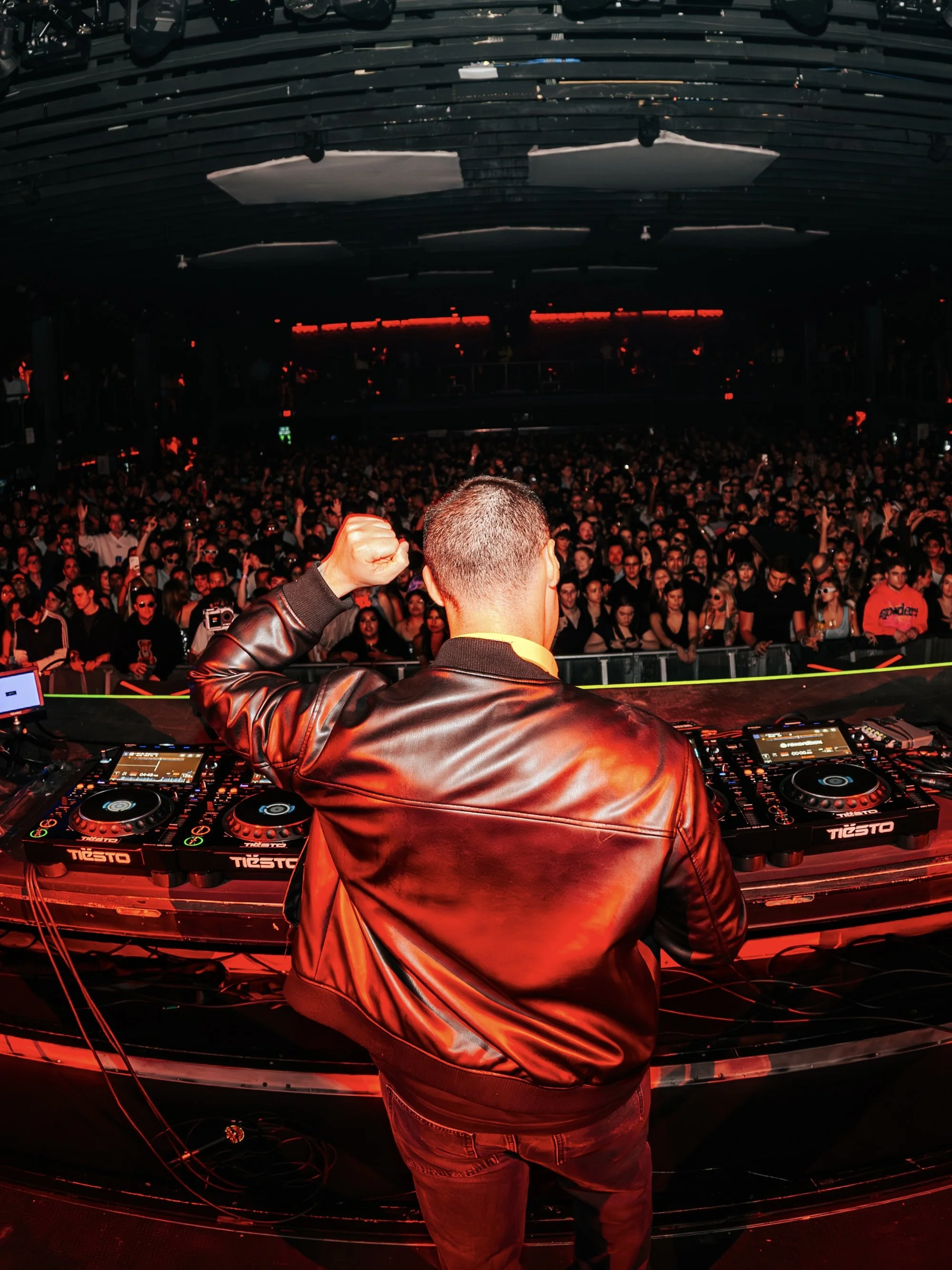
But for him, that win isn’t the identity.
“I don’t want to be that Philly kid who likes memes who happened to win that one Summit remix contest that one time.”
It’s just part of a bigger picture.
Right now, the focus is on building something that lasts, not just moments, but a full identity.
“I want to figure out who Silvertone is going to be from a brand perspective from a sound perspective and from a community perspective.”
With releases continuing, a shift deeper into techno, and upcoming milestones like his first festival set at Project Glow, everything is moving forward.
“I’ll be doing as much as I can to make Silvertone a full time project.”
The Direction Forward
What started as curiosity has turned into passion and discipline.
With the support building and the foundation set, what’s left now is execution.
Taking Silvertone to the next level isn’t a question of how, it’s a matter of when.
Staying true to where he started is what continues to push everything forward. Not chasing trends, not forcing moments, but building something real.
Because at the core of it, that’s what’s always driven it.
“I love the music I listen to I care about it so much.”
And that’s exactly what’s carrying it all forward.