

Why the Dancefloor Is Stepping Into the Light
For decades, dance music lived in the dark. Warehouses at 2 AM. Clubs are at capacity. Strobe lights, sweat, sunrise exits.
Now something has shifted.
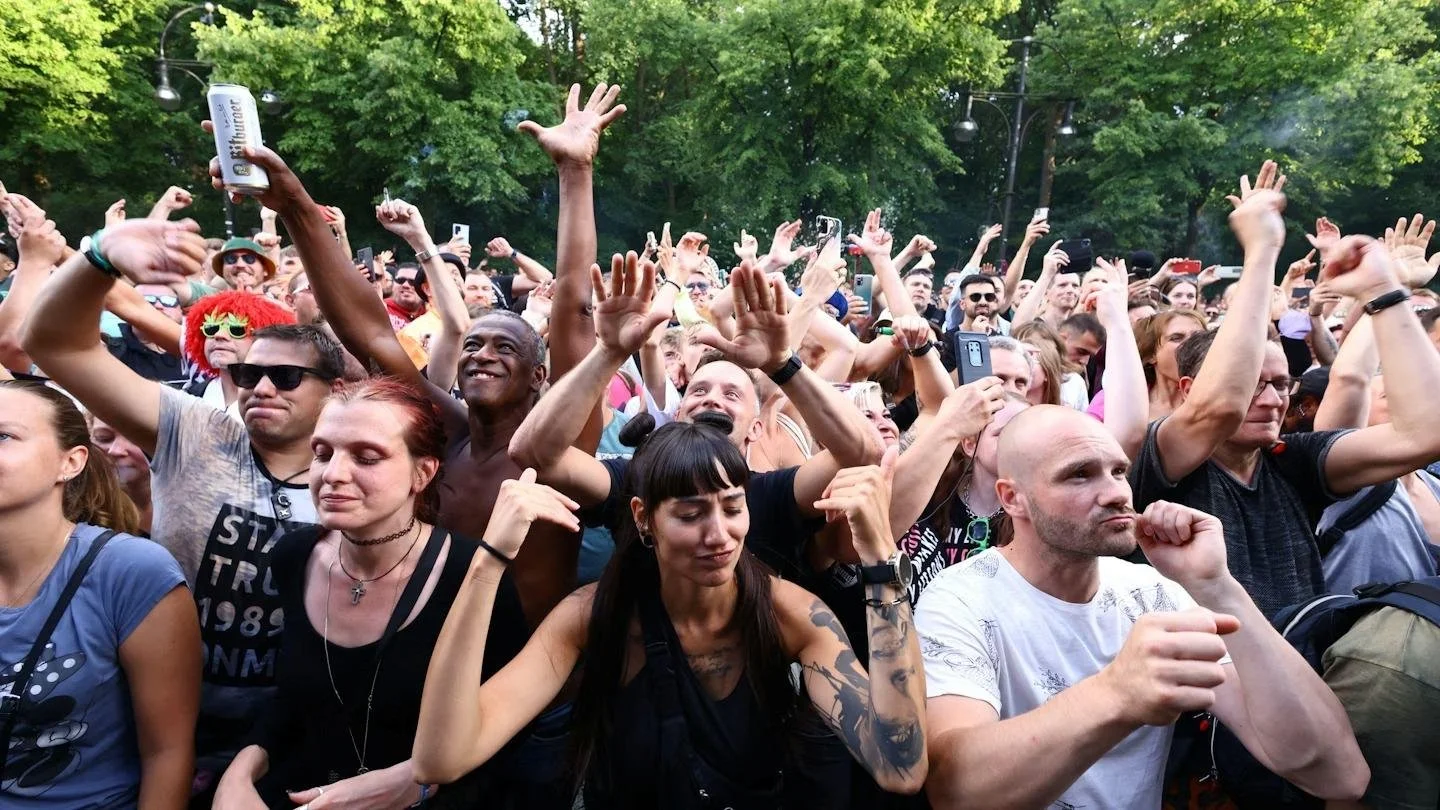
The dancefloor has not disappeared. It has stepped into the light.
Across cities, coastlines, and communities, daytime events are redefining what it means to go out. From coffee-fueled morning raves to rooftop brunch sessions and post-run DJ celebrations, a new rhythm is emerging. One that prioritizes connection, wellness, accessibility, and experience over excess.
We wanted to dive deeper as to why this 12 hour shift is occurring, so we spoke with founders, attendees, and voices inside the culture. What we found was not just a trend. It feels like a cultural shift.
Why Daytime Is Exploding
Health, Wellness and the End of Burnout Culture
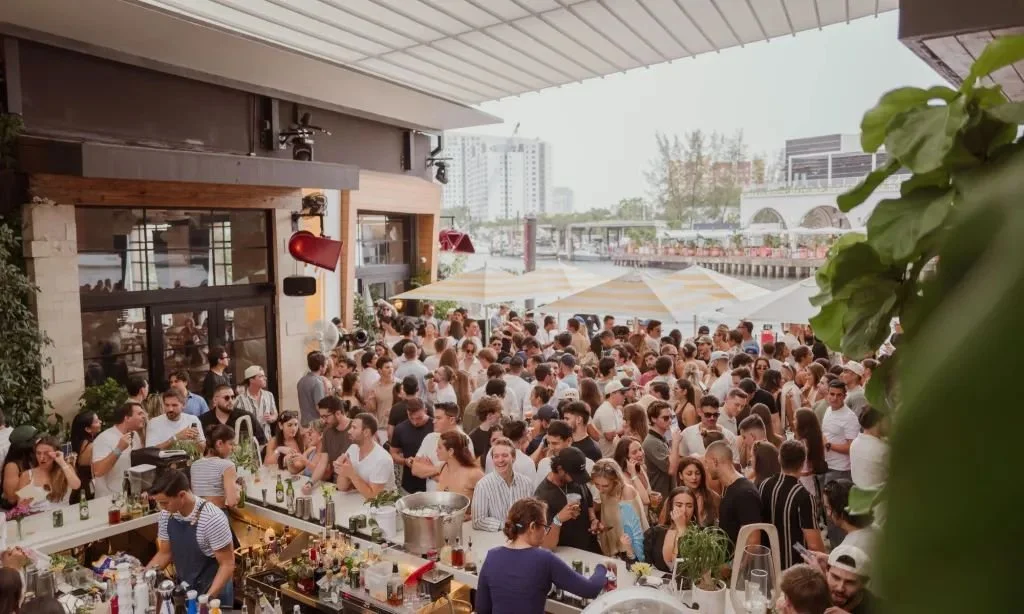
“The energy feels more whole. It’s less about people being messed up from drugs or alcohol and more about being energized by the sun and genuinely enjoying the music.”
She also shared:
“People can smile, laugh, look goofy, dance badly and it feels right.”
Day events allow loud music, and social connection without sleep deprivation or a three day mental and physical hangover.
As Café Grooves founder Franco told us:
“Wellness isn’t just about exercise and green juice anymore. It’s about balance. Day parties borrow energy from sunlight. It’s pleasure that doesn’t punish you later.”
That idea of pleasure without punishment is at the center of this movement.
You can still love house music and not want to destroy your body or sleep schedule.
That simple idea is what has now been driving this entire shift that we are seeing across the dance music scene.
Luis, an active attendee in the scene, put it simply:
“Dancing during the day allows me to not lose any sleep at night, which is important to me.”
Miami based creative and house music voice Gracie Herberholt, known online as @gracieherberholt, described the shift from her own experience inside the scene:
❋
Coffee Over Bottle Service
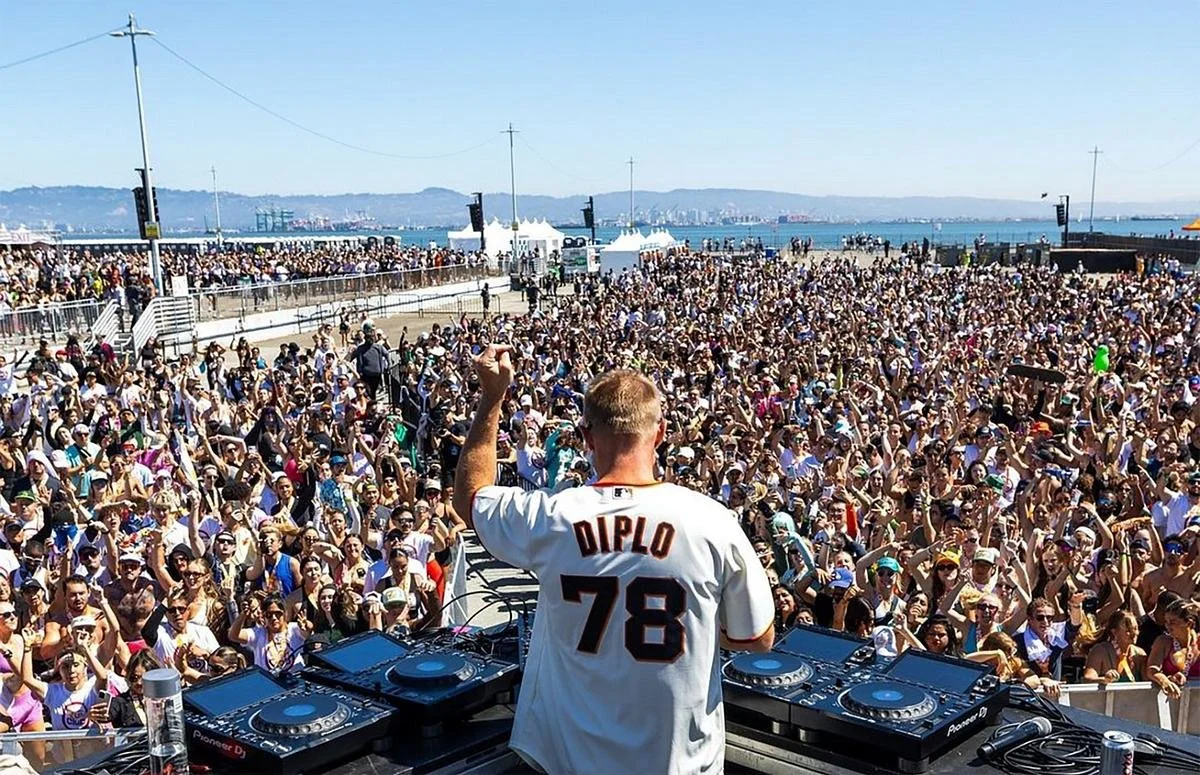
Along with sleep, there is another massive shift that has decided to tag along, and that being the engine that seems to fuel all late nights… alcohol. Hand in hand with these daytime events, we are seeing people drop the bottle and pick up the coffee. Instead of alcohol being the engine, it is now
Specialty coffee
Matcha
Tea
Electrolytes
Hydration
Miami-based Café Grooves stands as a strong example of this evolution.
Franco explained the biggest misconception about day parties:
“That a day party is just like a night party at an earlier time. Alcohol is not the engine. When you have the right music, environment, and weather, you create the energy.”
Removing alcohol as the primary driver changes everything.
Luis told us:
“Vibes are better when I can see people’s faces.”
The natural light shining gives people a sense of comfort and approachability to be able to connect with people easily.
❋
Run Clubs, Fitness Culture and the New Social Scene
The shift is not just about coffee and sleep, it's much more than just that.
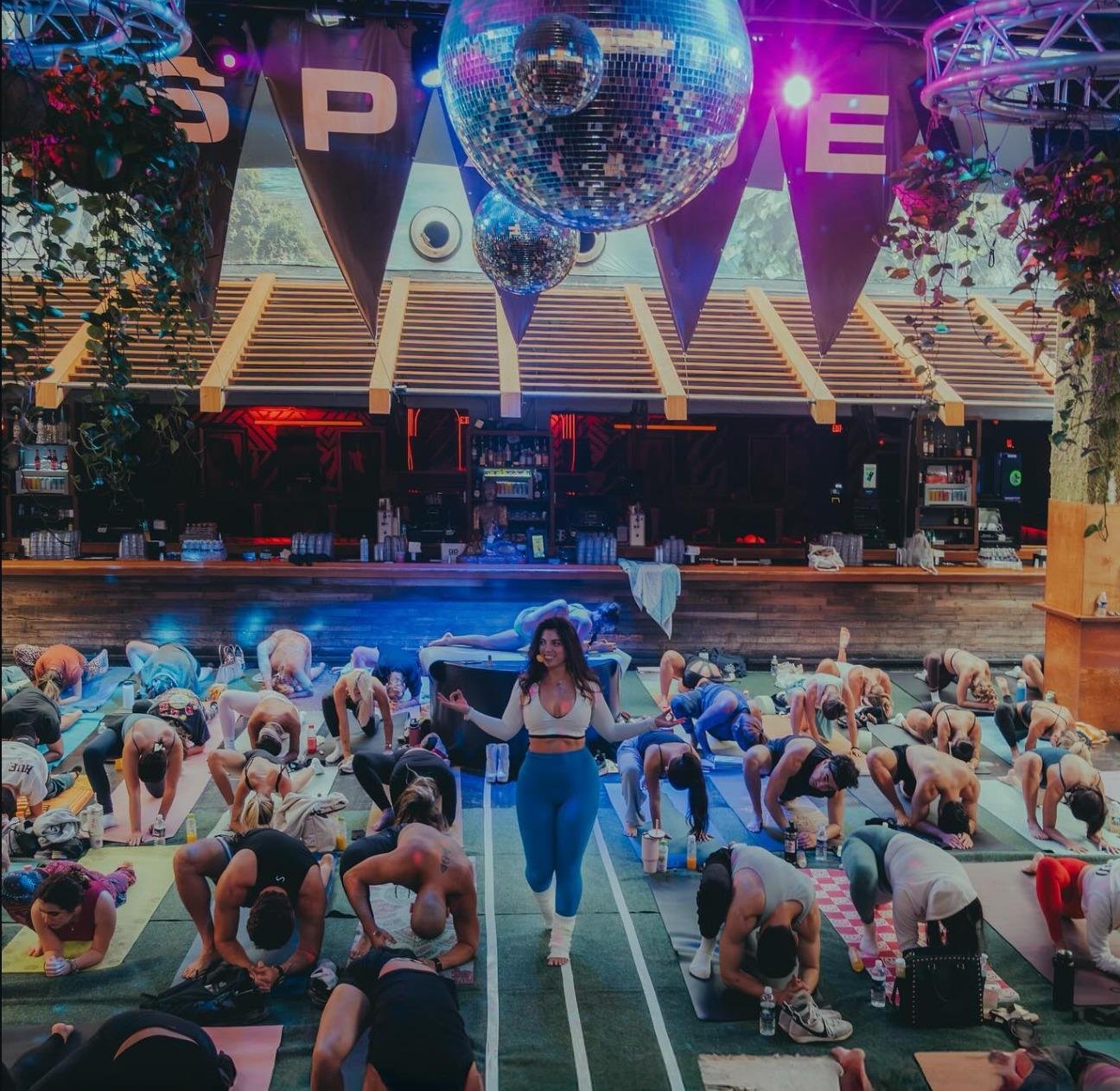
We are seeing run clubs hosting 5Ks followed by DJ sets. Yoga sessions paired with house music. Wellness collectives ending their events with open air dancing.
Instead of workout then bar, it is becoming workout, community, DJ, sunset.
People still want release. They just want it woven into their lifestyle.
This aligns with broader cultural research showing younger generations drinking less and prioritizing shared experience over excess.
The dancefloor has not disappeared. It has aligned with how people live now.
Accessibility, Cost and Creative Freedom
There is also a practical reason for this rise.
Daytime events often mean easier venue access, more flexible licensing, fewer noise complaints, and lower production costs. At the same time, affordability is becoming a major factor in how people choose to socialize. A recent survey found that 44% of young adults have skipped major social events because of cost (Big News Network, 2026).
Lower ticket prices, fewer drink minimums, and alternative beverage options make daytime gatherings feel more accessible, especially for a generation balancing rising living expenses with social life.
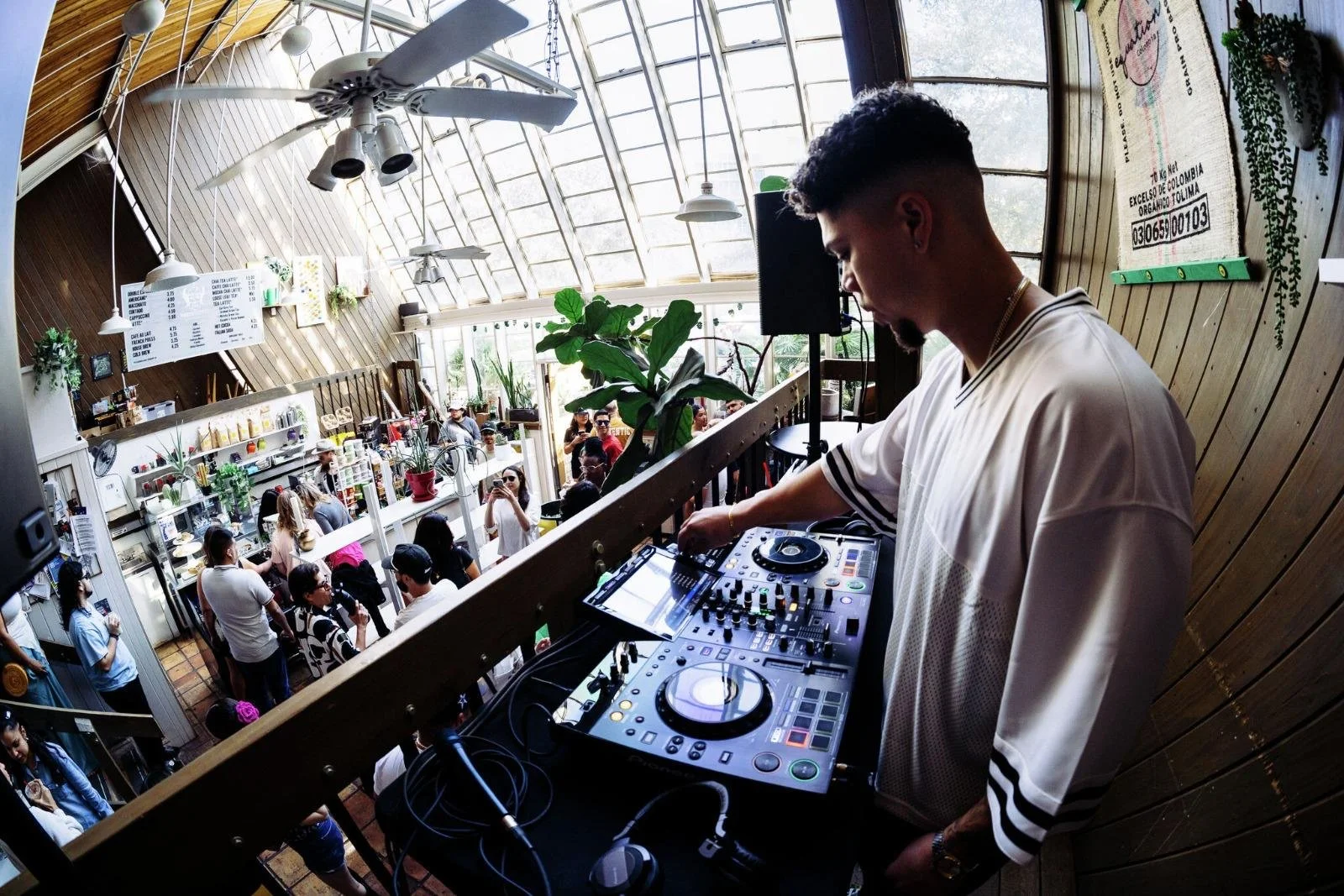
We are also seeing more non traditional venues being used. Coffee shops. Rooftops. Beaches. Parks. Boutique lifestyle spaces.
Instead of repeating the same dark room formula every weekend, there is room to build atmosphere. Having a bright 12 hours to party opens the door to tons more creative spaces to host events.
Trend or Long Term Shift
We asked Franco directly whether this is temporary.
“This isn’t trendiness. It’s about people wanting to choose well being and quality of experience.”
Luis sees it as culture expanding:
“New types of people are being introduced by these day events, which is positive for the culture.”
From our perspective at EQ Selector, this shift feels structural.
It is tied to health awareness, economic pressure, social media aesthetics, and community first thinking.
When multiple cultural forces point in the same direction, it rarely stays temporary.
The Future Is Brighter
Day parties do not replace nightlife. They rebalance it.
There will always be something sacred about 3AM.
This isn’t a full swap from night to day. It’s an expansion.
Nighttime events will always be the pillar of party culture. The dark rooms, the late hours, the intensity, that foundation isn’t going anywhere. But what we’re witnessing now is a door opening. A new format stepping into the frame.
If nightlife built the house, daytime is the new room being added.